
Italy · 15 places
The 15 Most Incredible Places in Italy
From the lemon terraces of the Amalfi Coast to the rock towers of the Dolomites: these are the 15 most incredible places in Italy, counted down and mapped below so you can plan your own journey.
Plan my trip → ▶ Watch the film
Foto: riddick_soad / PixabayFilmed for our documentary · facts checked · Updated 2026-10-29 · Ad*
In short
- Best timeMay–June & SeptLate April to mid October, avoid August
- Time needed2 weeksenough for most of the 15 places
- Getting aroundTrain + cartrain between cities, car for the countryside
- Where to landVenice → Naplesfly into Milan/Venice, out of Rome/Naples
What Italy is known for
- Legacy of RomeThe Colosseum in Rome is almost 2,000 years old and was the largest amphitheatre of the ancient world.
- Birthplace of the RenaissanceLeonardo da Vinci, Michelangelo and Botticelli worked in Florence. The Uffizi still shows their art.
- Pizza from NaplesThe art of the Neapolitan pizza maker has been UNESCO intangible cultural heritage since 2017.
- Wine from every regionItaly is one of the world's largest wine producers, and wine is made in all 20 regions.
- Espresso cultureThe espresso machine was patented in Turin in 1884. Locals drink it standing at the bar, which is cheaper than at a table.
- Europe's highest volcanoMount Etna in Sicily is Europe's highest active volcano and erupts regularly.
- Fashion and enginesMilan is one of the world's fashion capitals. Ferrari, Lamborghini and Maserati come from Emilia-Romagna.
- A country inside a cityVatican City, the smallest state in the world, lies in the middle of Rome.
Before you go
- CurrencyEurocards almost everywhere, small bars prefer cash
- LanguageItalianGerman also spoken in South Tyrol
- PlugsType C, F, L230 V, UK and US travelers need an adapter
- Emergency112free, the same across Europe
- Time zoneCET6 hours ahead of New York, 1 hour ahead of London
- Tippingnot expecteda “coperto” (cover charge) is often on the bill, rounding up is common
Tips locals know
- Old towns are car-free zonesAlmost every historic center is a ZTL (Zona a traffico limitato). Cameras log every car and the fine arrives months later. Park outside.
- Cover shoulders and kneesSt Peter's and many churches turn visitors away otherwise. A light scarf in your bag is enough.
- First Sunday of the monthMany state museums and archaeological sites are free that day, including the Colosseum and Pompeii. Expect crowds: arrive early.
- Drink from the fountainsTap water is safe. Rome has more than 2,000 drinking fountains (“nasoni”): refill your bottle instead of buying one.
- Validate your train ticketStamp paper tickets for regional trains at the machine on the platform before boarding. Online tickets without a fixed time need a check-in in the app.
- Budget for the tourist taxMany cities charge a tourist tax per night (tassa di soggiorno). It is usually paid at the hotel and often not included in the booking price.
- Mind the lunch breakSmall shops and some churches often close from about 1 to 4 pm, longer in the south. Museums and supermarkets usually stay open.
- Cappuccino is for morningsItalians drink milky coffee at breakfast. After a meal, just order “un caffè”, an espresso.
- Motorways have tollsTake a ticket at the entrance and pay by cash or card at the exit. Avoid the yellow Telepass lane.
✓ Facts checked · 2026-11-02
The film premieres on YouTube soon.
Which places made the list?
Every place on the map
-
 15
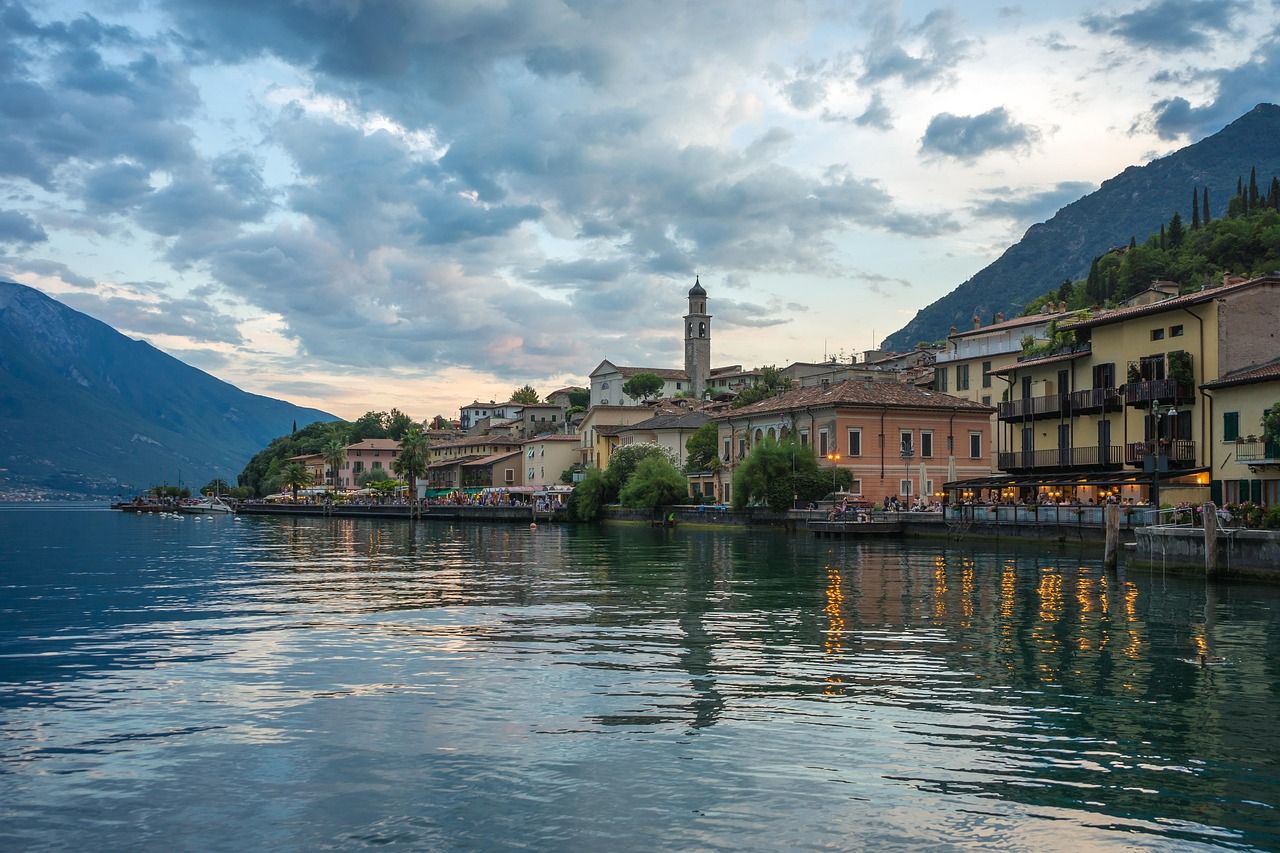
Lombardy, Veneto, Trentino Foto: Leonhard_Niederwimmer / PixabayLake Garda
Italy's largest lake stretches from the foothills of the Alps almost to the plain. At its southern tip, the medieval Scaliger castle of Sirmione rises straight out of the water.
Good to know: Sirmione's old town is car-free: park outside the walls and walk in, ideally before 10 am.
Eat & drink- Lake fish such as whitefish (coregone) with polenta
- Lugana, the white wine grown on the southern shore
-
 14
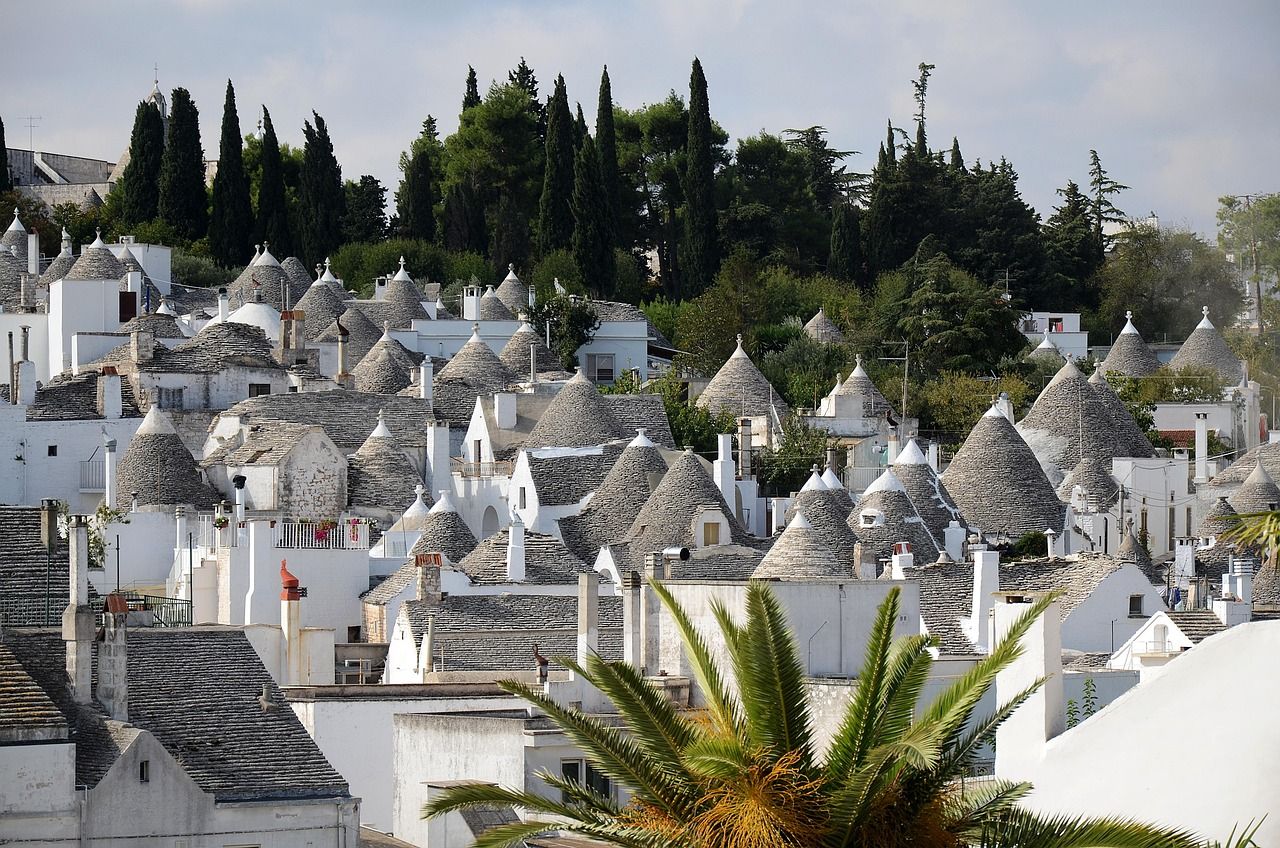
Apulia Foto: Jack78 / PixabayAlberobello
More than a thousand trulli, white stone houses with conical roofs built without mortar, fill the hills of this town. They have been a UNESCO World Heritage Site since 1996.
Good to know: Sleep in a trullo: several are rented out as holiday homes and B&Bs.
Eat & drink- Orecchiette with turnip greens (cime di rapa)
- Bombette: small grilled meat rolls from the Itria Valley
-
 13
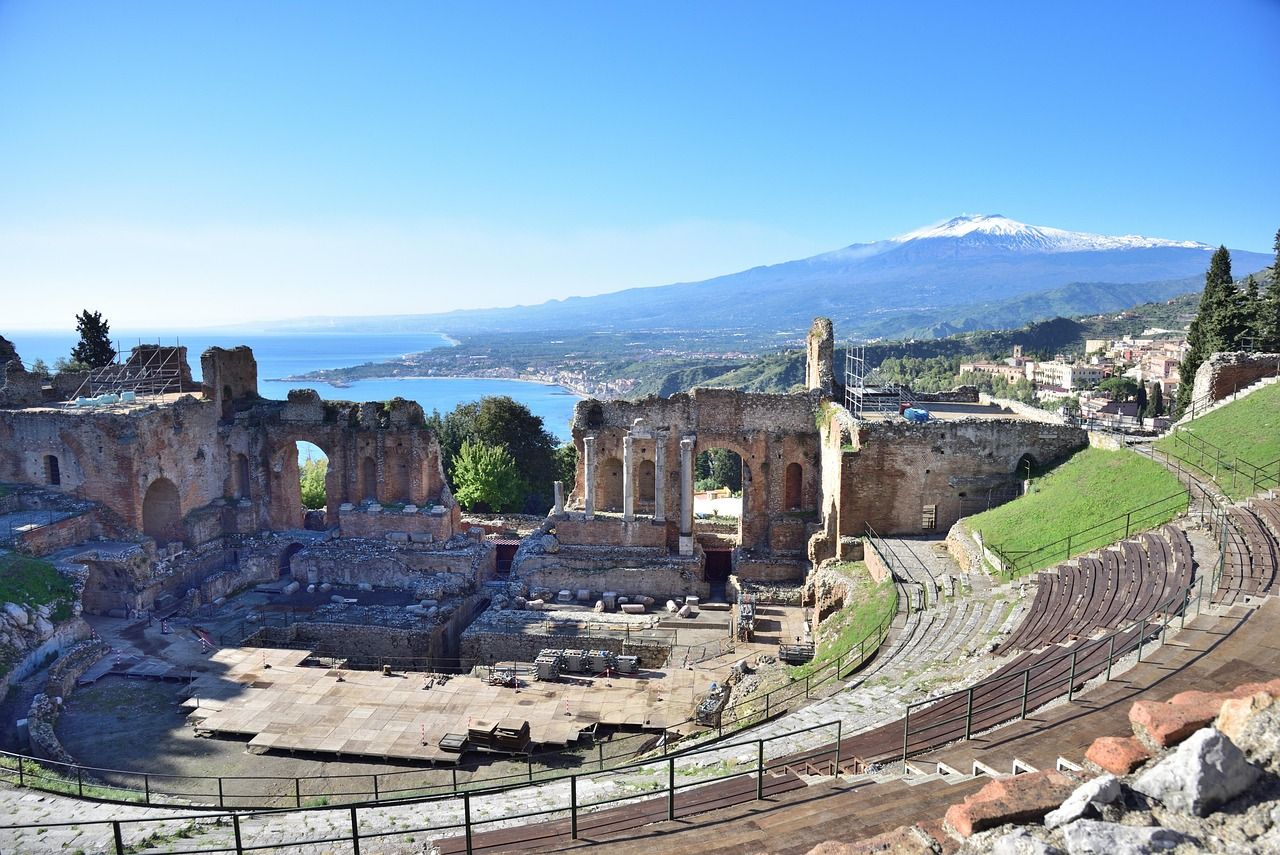
Sicily Foto: Grey48 / PixabayTaormina and Mount Etna
From the ancient theater of Taormina you look across the sea to Mount Etna, one of the most active volcanoes in the world and a UNESCO World Heritage Site since 2013.
Good to know: Etna's summit craters may only be visited with a licensed guide; book a tour rather than going alone.
Eat & drink- Granita with brioche for breakfast
- Cannoli filled with fresh ricotta
Our tip Bam Bar in Taormina is known for its granita.
-
 12
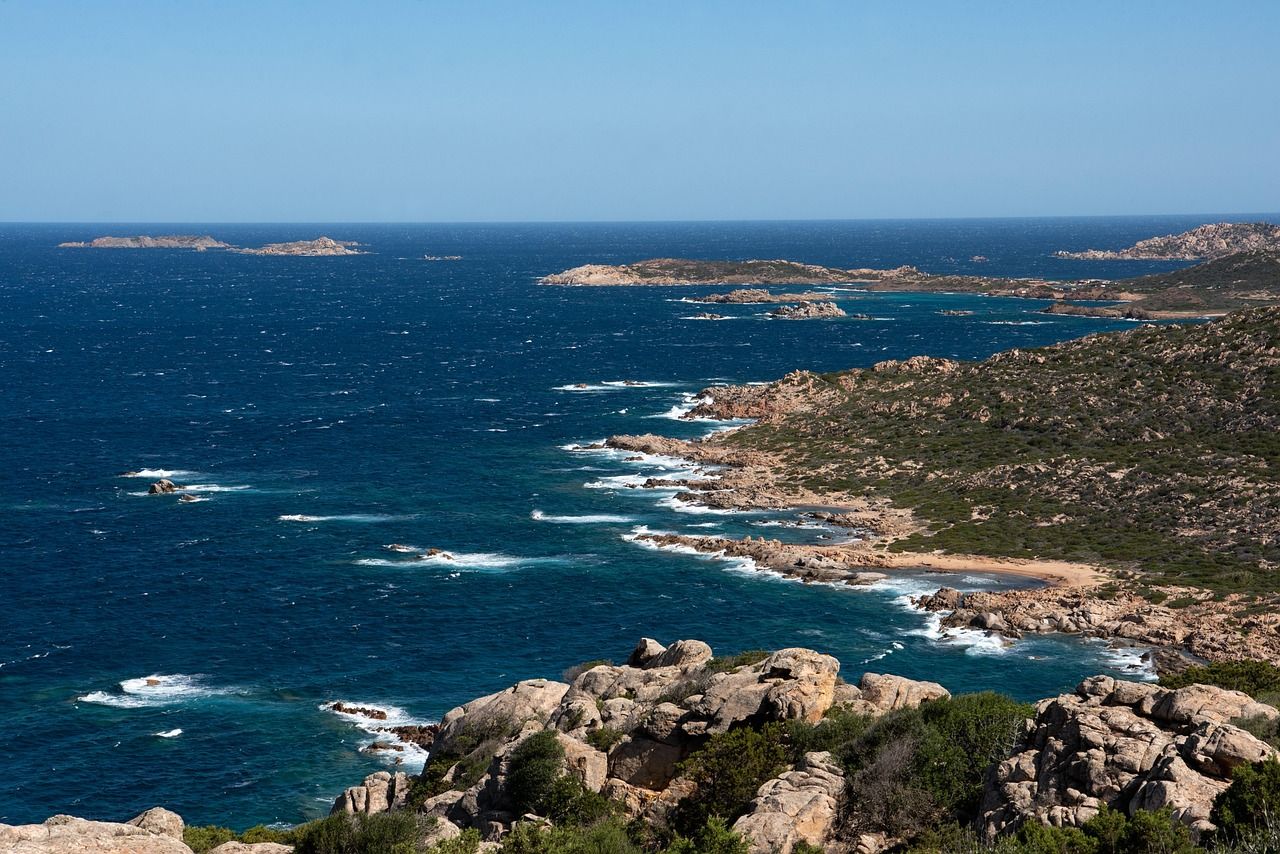
Sardinia Foto: Miller_Eszter / PixabayLa Maddalena Archipelago
Granite islands and water in every shade of turquoise form a national park off Sardinia's northeast coast. The famous pink beach of Budelli may only be seen from the sea.
Good to know: The islands are best seen on a full-day boat tour from Palau or La Maddalena.
Eat & drink- Culurgiones: Sardinian filled pasta
- Seadas: fried pastry with cheese and honey
-
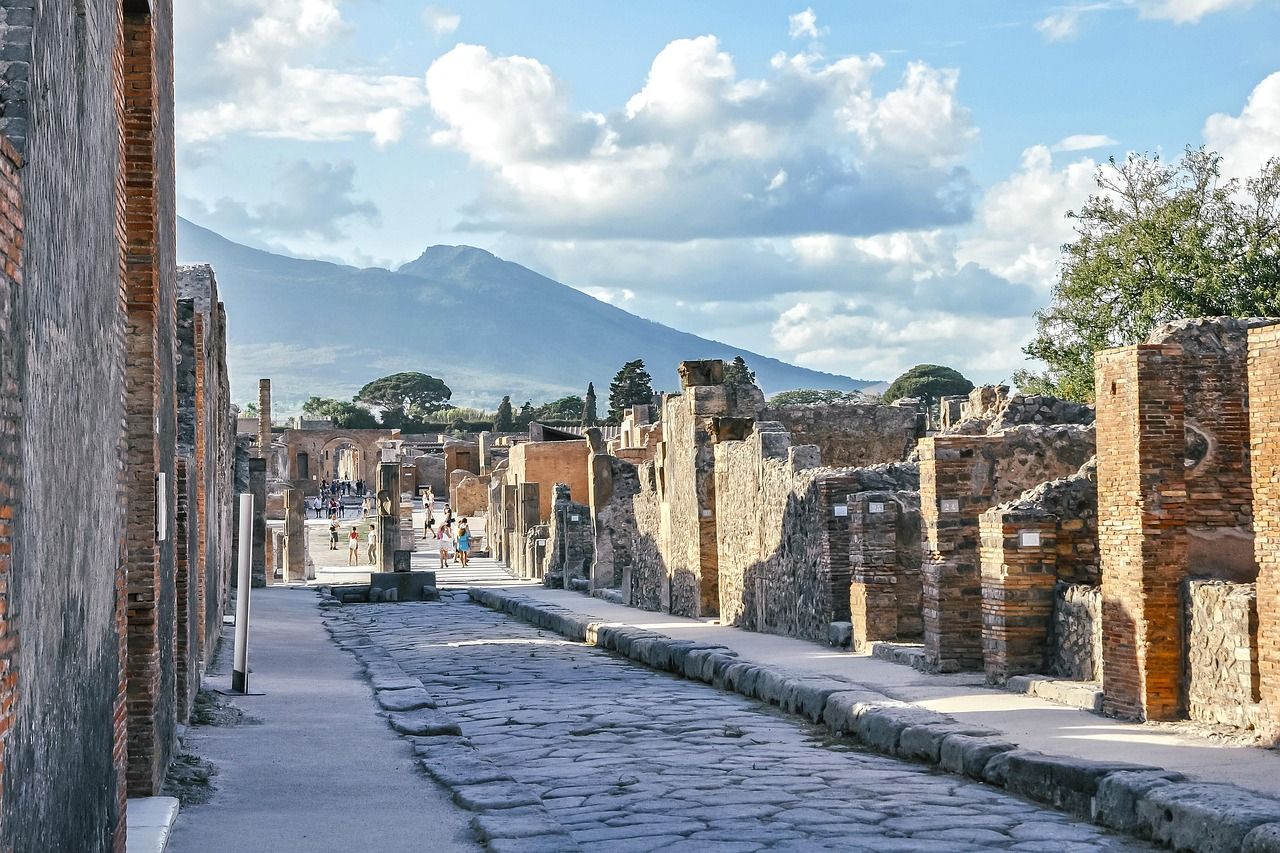 11
Campania Foto: DUOTONE_ / PixabayPompeii
Buried by the eruption of Vesuvius in AD 79, the Roman city was preserved under ash: streets, houses, bakeries and frescoes, with the volcano still standing behind it.
Good to know: Plan at least 3–4 hours and bring water: there is little shade on the site.
Eat & drink- Pizza napoletana in nearby Naples
- Sfogliatella, the shell-shaped pastry
Our tip L'Antica Pizzeria da Michele in Naples has served pizza since 1870.
-
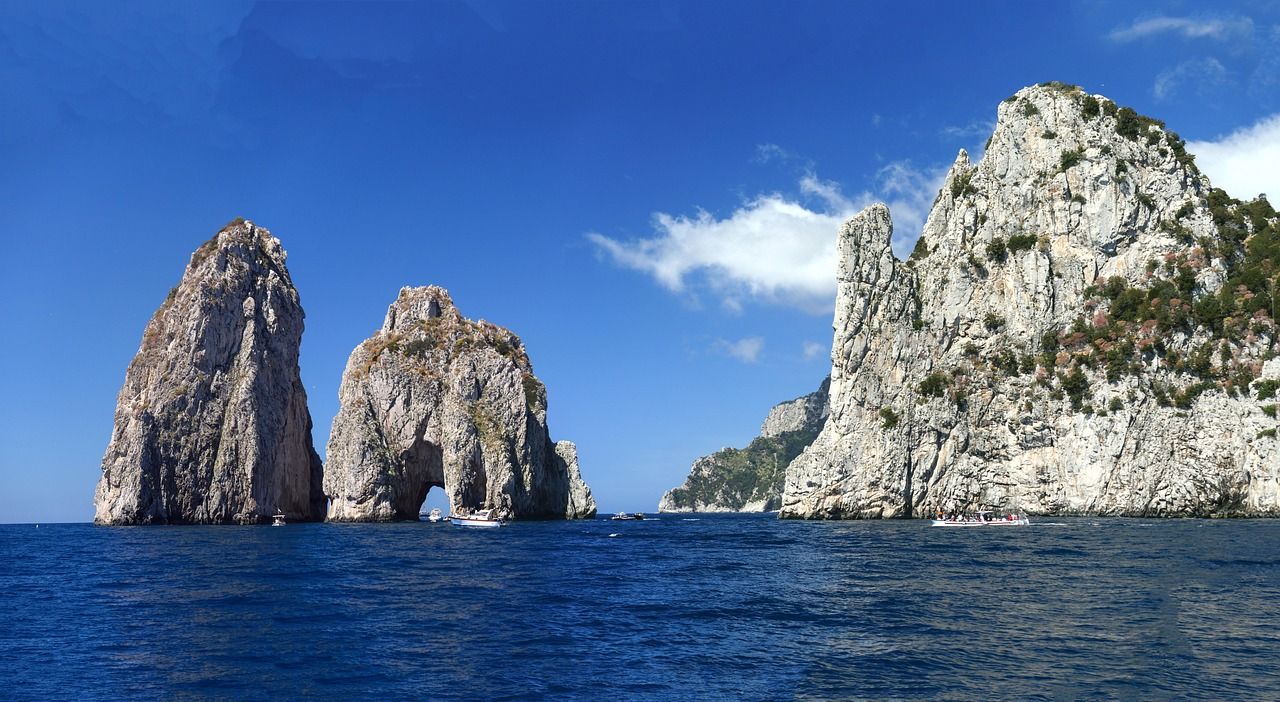 10
Campania Foto: MonikaP / PixabayCapri
Sheer limestone cliffs, the Faraglioni rocks and the Blue Grotto, which you enter lying flat in a small rowing boat. When the sea is rough, the grotto stays closed.
Good to know: Day trippers arrive around 10 am; take the first ferry or stay overnight to see Capri quiet.
Eat & drink- Caprese salad, named after the island
- Torta caprese, the flourless chocolate-almond cake
-
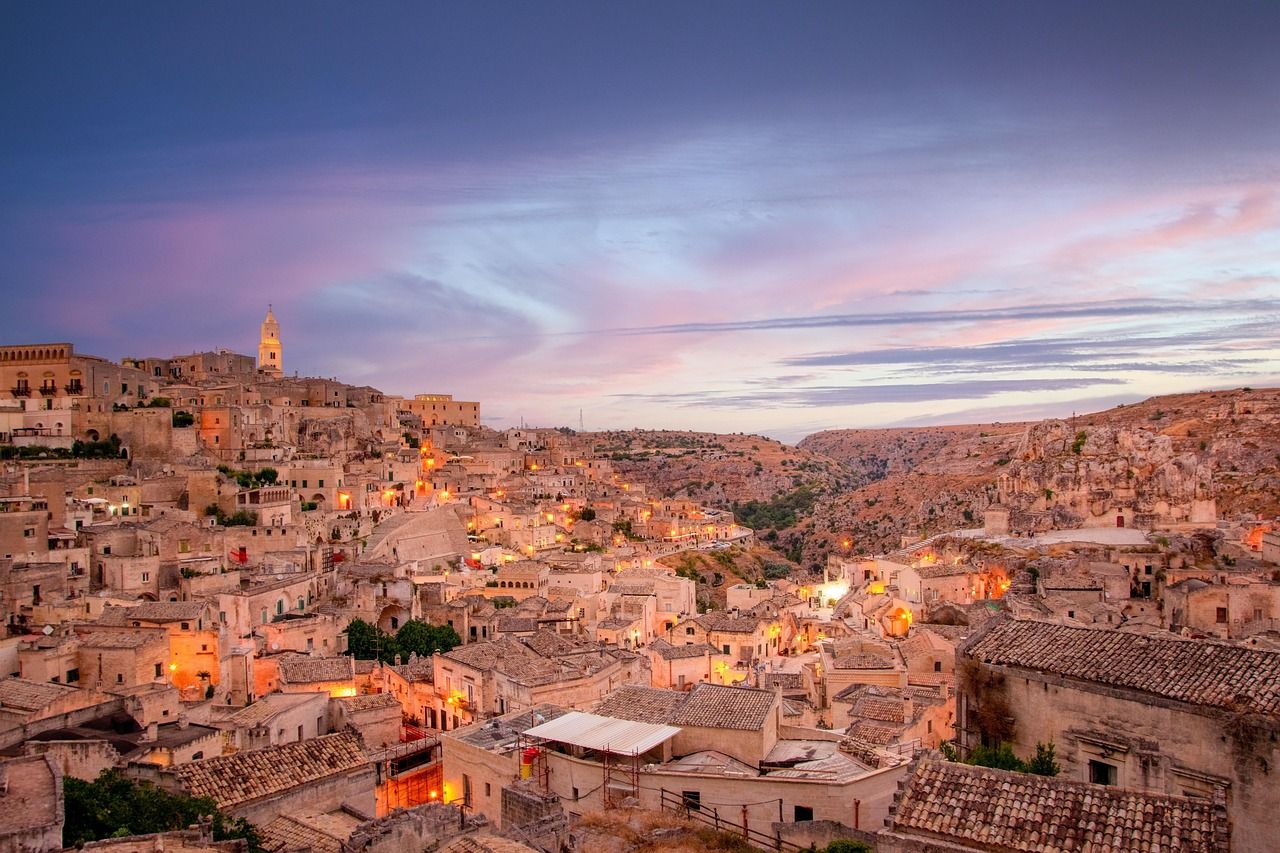 9
Basilicata Foto: ebilotta0505 / PixabayMatera
The Sassi, cave dwellings carved into a ravine, are among the oldest continuously inhabited settlements in the world. A UNESCO site since 1993, Matera was European Capital of Culture in 2019.
Good to know: Stay one night: the Sassi are at their most beautiful when the lights come on at dusk.
Eat & drink- Pane di Matera, the town's protected sourdough bread
- Peperoni cruschi: crispy dried peppers
-
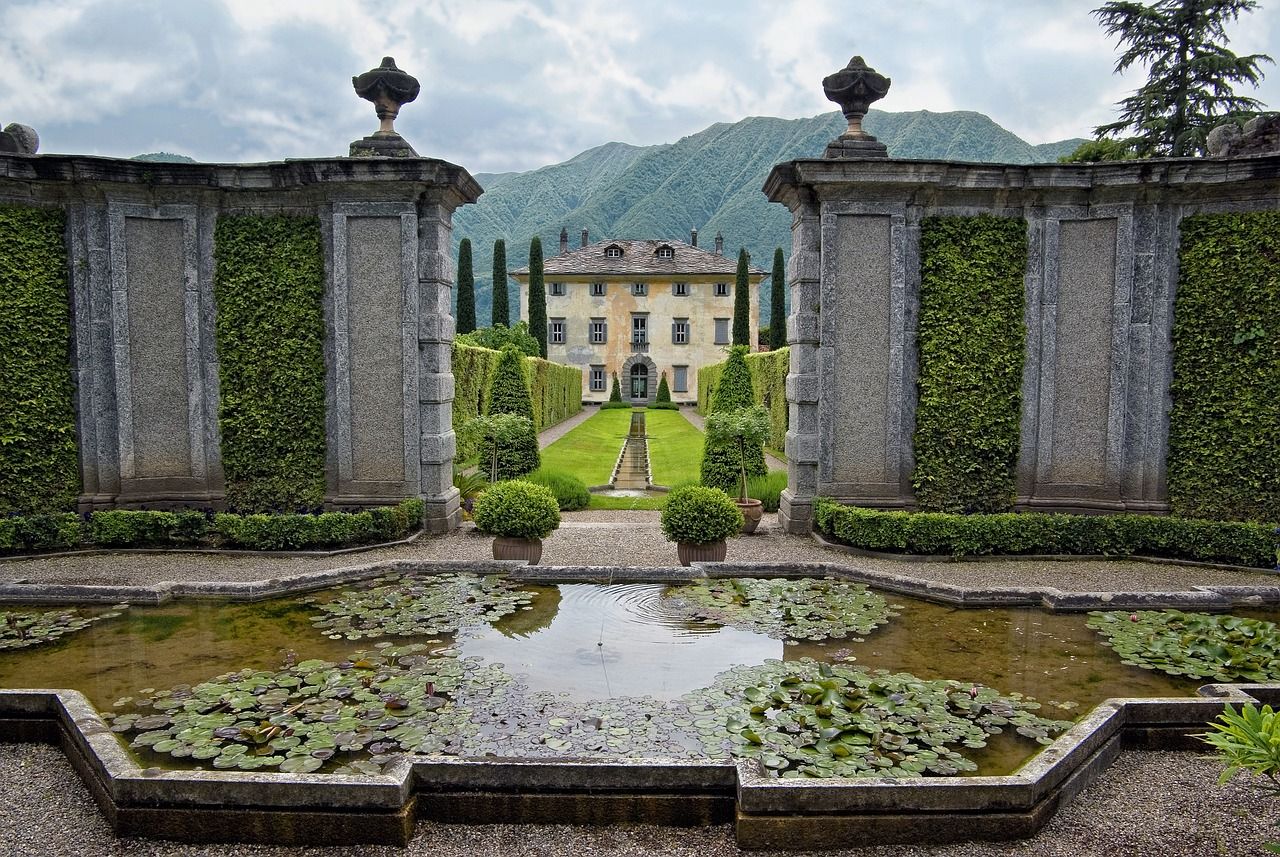 8
Lombardy Foto: Camera-man / PixabayLake Como
Shaped like an upside-down Y and over 400 meters deep, Lake Como is lined with villas and gardens. Bellagio sits right where its three arms meet.
Good to know: Use the ferries instead of the car: the lake roads are narrow and parking is scarce.
Eat & drink- Risotto with perch fillets (pesce persico)
- Missoltini: sun-dried lake shad
-
 7
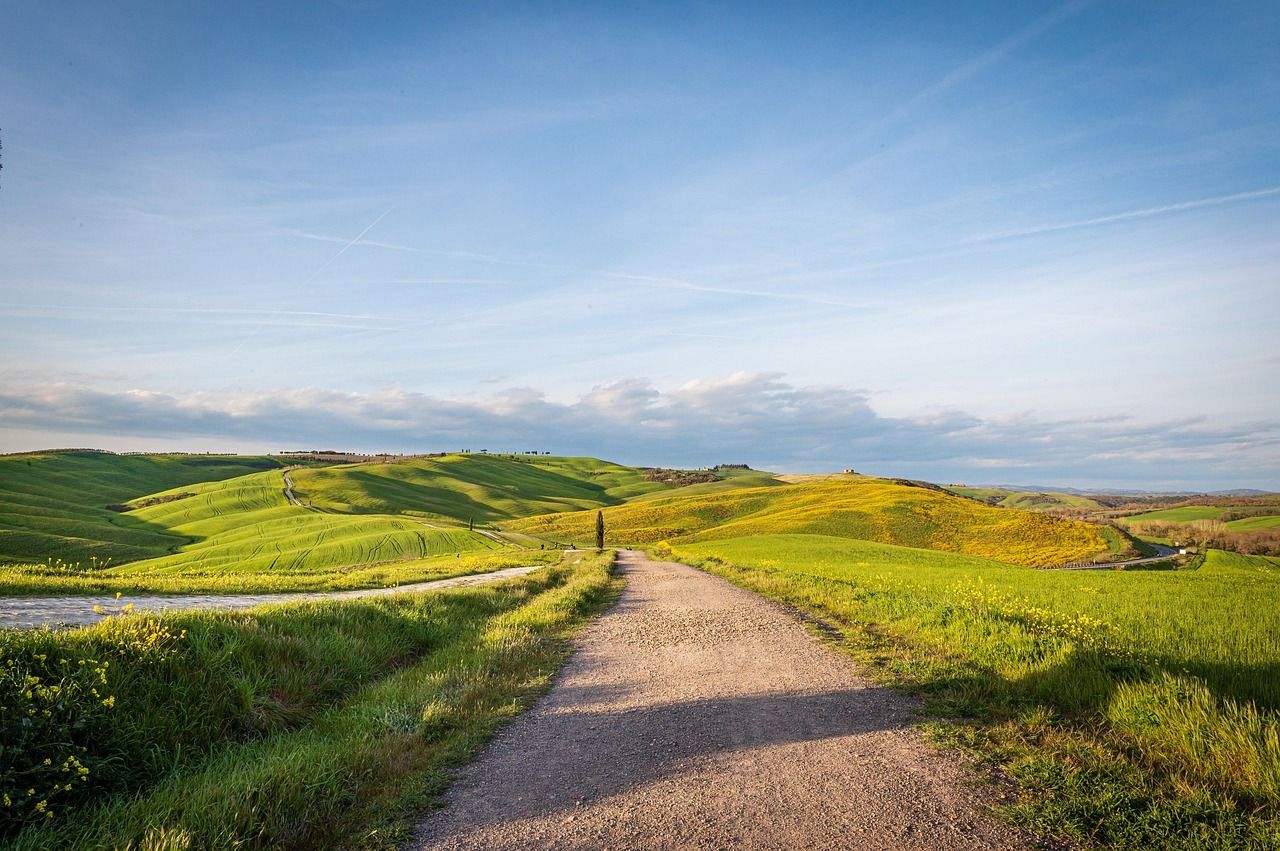
Tuscany Foto: MARTINOPHUC / PixabayVal d'Orcia
Rolling hills, lines of cypress trees and hilltop towns like Pienza: the landscape of countless postcards has been a UNESCO World Heritage Site since 2004.
Good to know: Come at sunrise: morning mist in the valleys makes the classic Val d'Orcia picture.
Eat & drink- Pecorino di Pienza, the local sheep's cheese
- Pici: thick hand-rolled pasta
- Brunello di Montalcino
-
 6
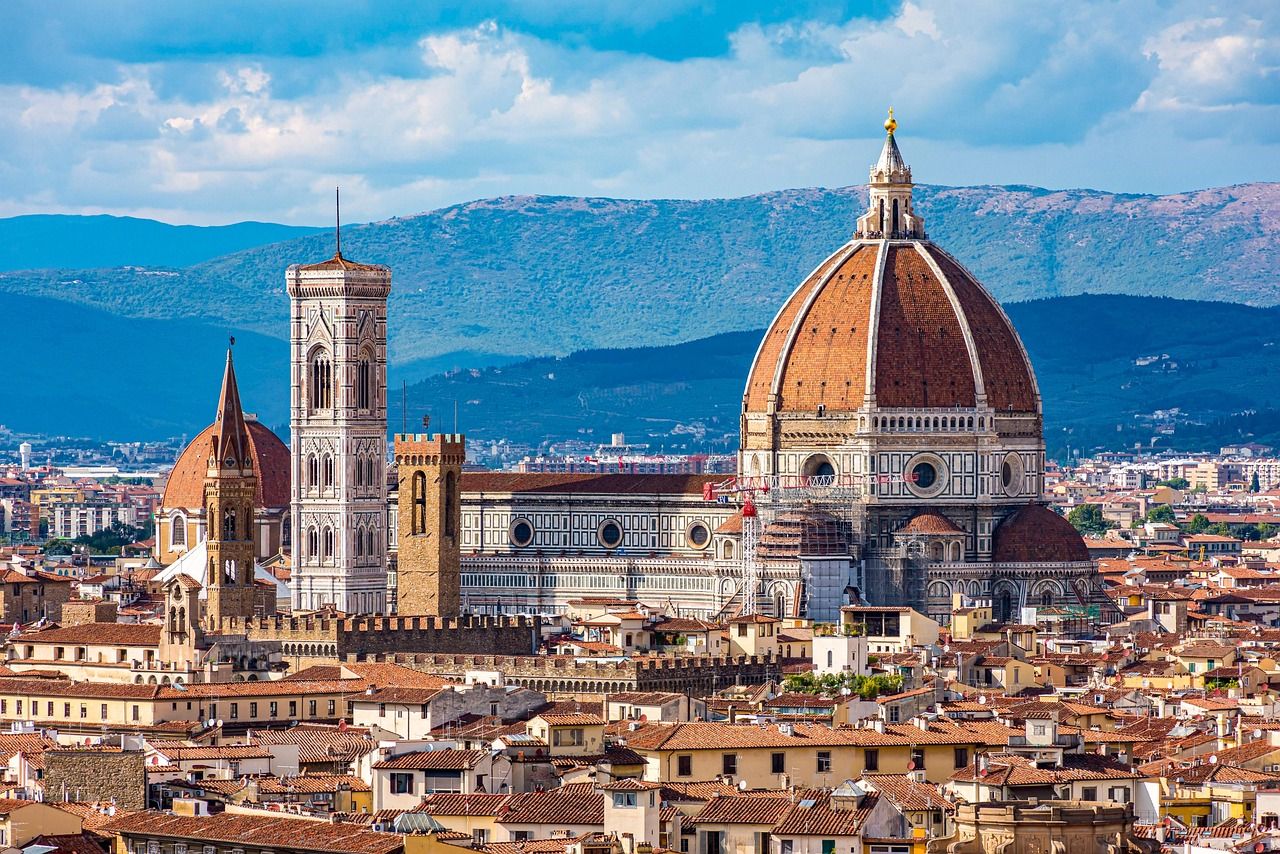
Tuscany Foto: darrenquigley32 / PixabayFlorence
The cradle of the Renaissance. Brunelleschi's dome, completed in 1436, still dominates the skyline of a historic center that has been a UNESCO site since 1982.
Good to know: Book the Uffizi and the dome climb ahead: time slots often sell out in high season.
Eat & drink- Bistecca alla fiorentina
- Lampredotto, the classic street-food sandwich
Our tip Mercato Centrale: a food hall above the old market, good for a quick lunch.
-
 5
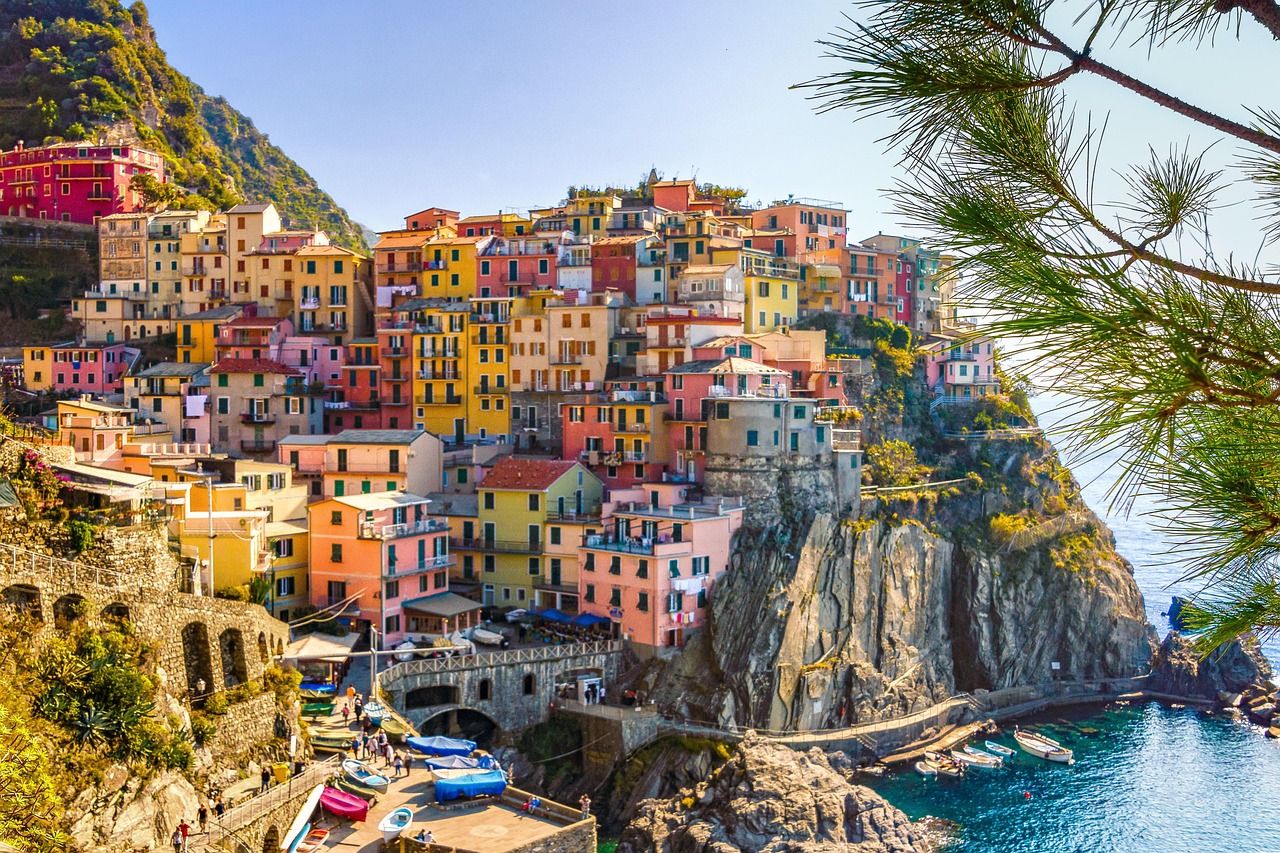
Liguria Foto: Kookay / PixabayCinque Terre
Five colorful fishing villages cling to the cliffs of the Ligurian coast, linked by hiking trails, a railway and boats. National park and UNESCO World Heritage Site.
Good to know: The hiking trails and the coastal train need tickets; the Cinque Terre Card covers both.
Eat & drink- Trofie with pesto genovese
- Focaccia and Monterosso anchovies
-
 4
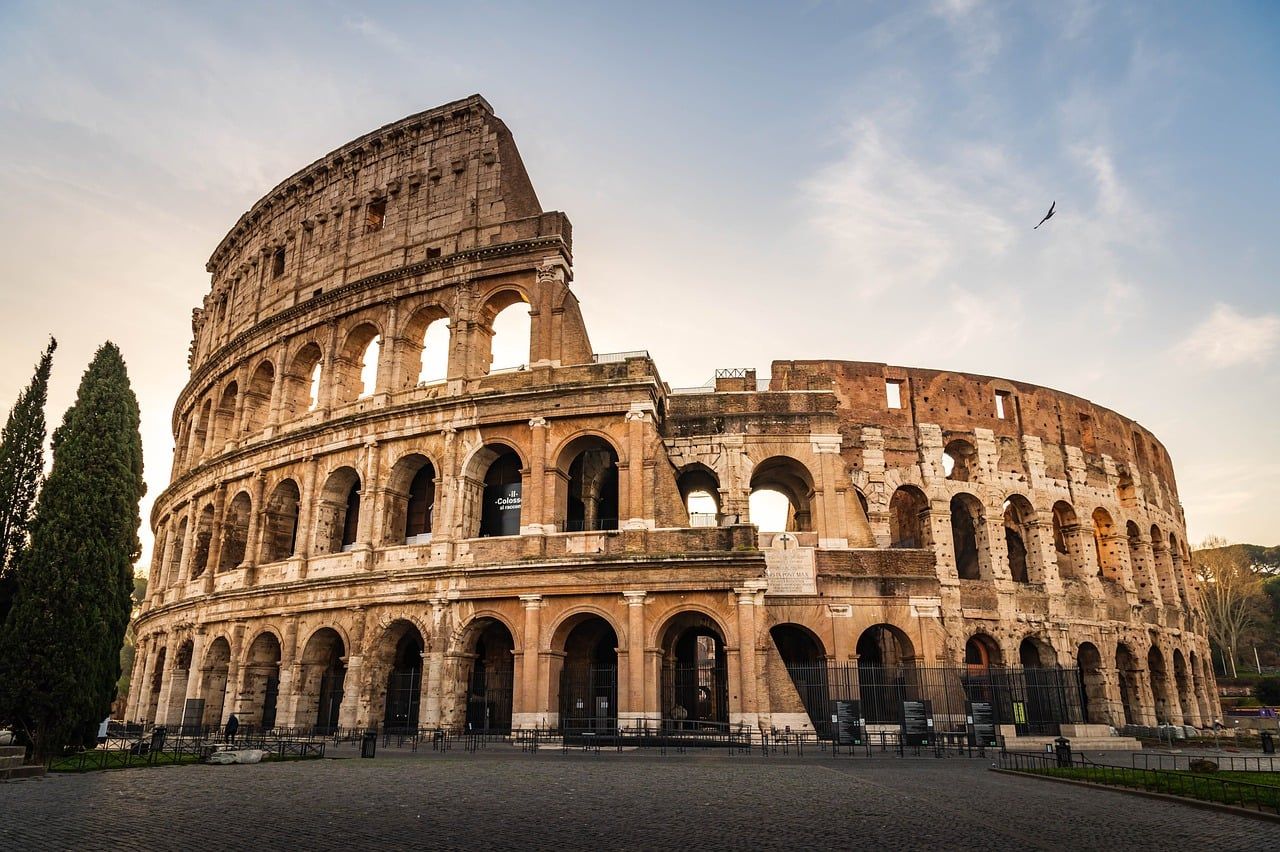
Lazio Foto: MARTINOPHUC / PixabayRome
Nearly three thousand years of history in one city. The Colosseum, opened in AD 80, held tens of thousands of spectators and is still the largest amphitheatre ever built.
Good to know: Book Colosseum and Vatican Museums tickets online: the queues without a ticket can take hours.
Eat & drink- Carbonara and cacio e pepe
- Supplì: fried rice balls with mozzarella
-
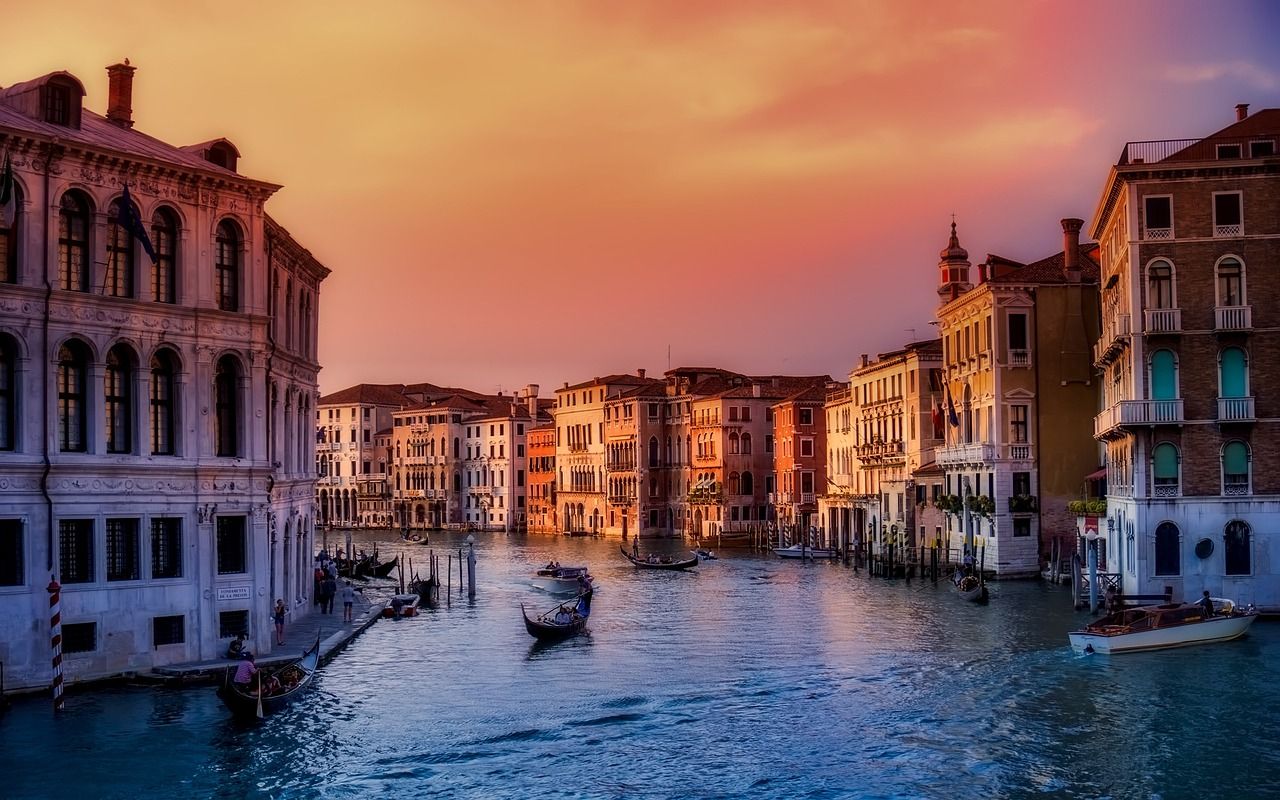 3
Veneto Foto: 12019 / PixabayVenice
A city built on more than a hundred small islands in a lagoon, with canals instead of streets. Seen from above, it looks like a fish floating in the water.
Good to know: Stay overnight: in the evening, when day visitors leave, Venice gets quiet.
Eat & drink- Cicchetti, small bites in a bàcaro (wine bar)
- Sarde in saor: sweet-and-sour sardines
Our tip Caffè Florian on St Mark's Square has been open since 1720.
-
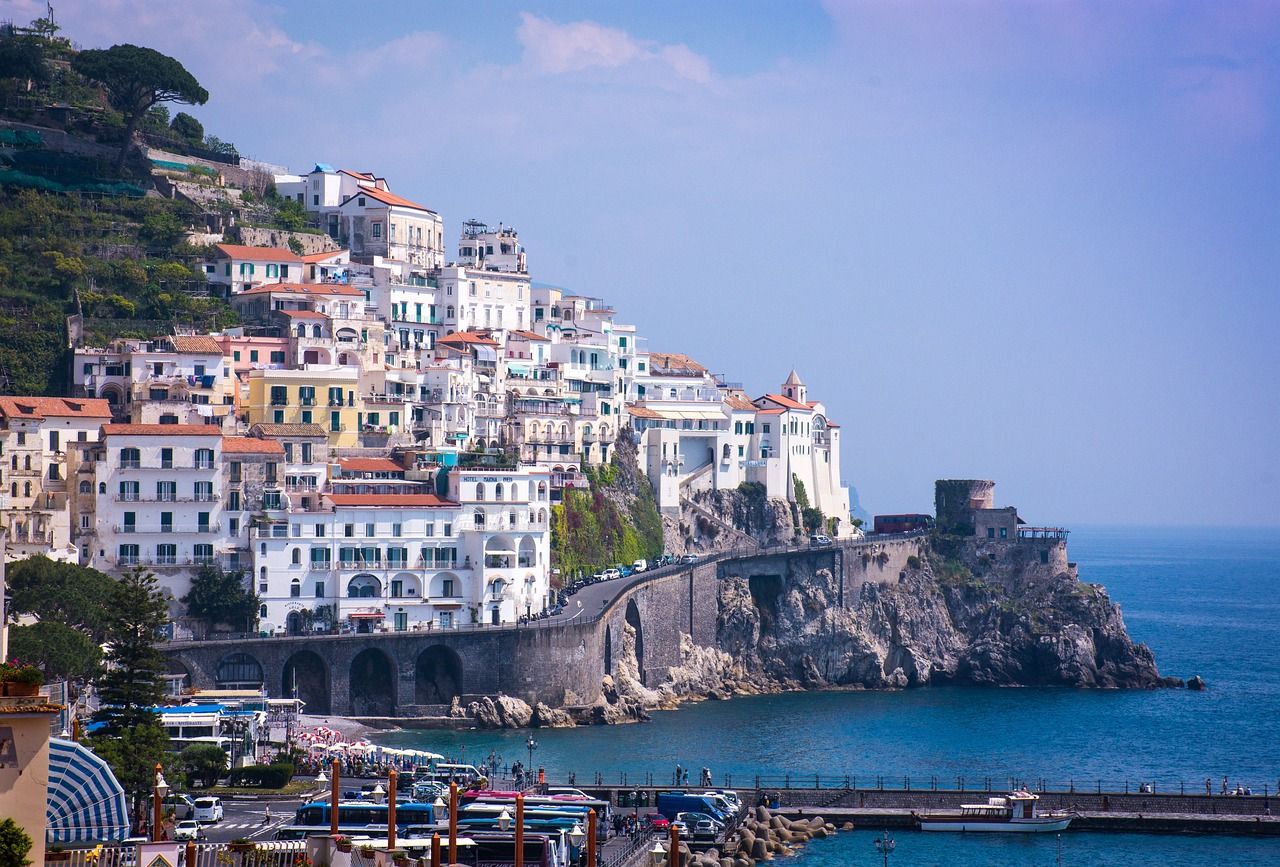 2
Campania Foto: Anemone123 / PixabayAmalfi Coast
Pastel villages like Positano and Amalfi stack up steep cliffs above the sea, with lemon terraces in between. A UNESCO World Heritage Site since 1997.
Good to know: Don't drive the coast road yourself in summer: buses and boats between the towns are faster.
Eat & drink- Delizia al limone: lemon cream sponge cake
- Limoncello from local lemons
Our tip Pasticceria Pansa in Amalfi has been making pastries since 1830.
-
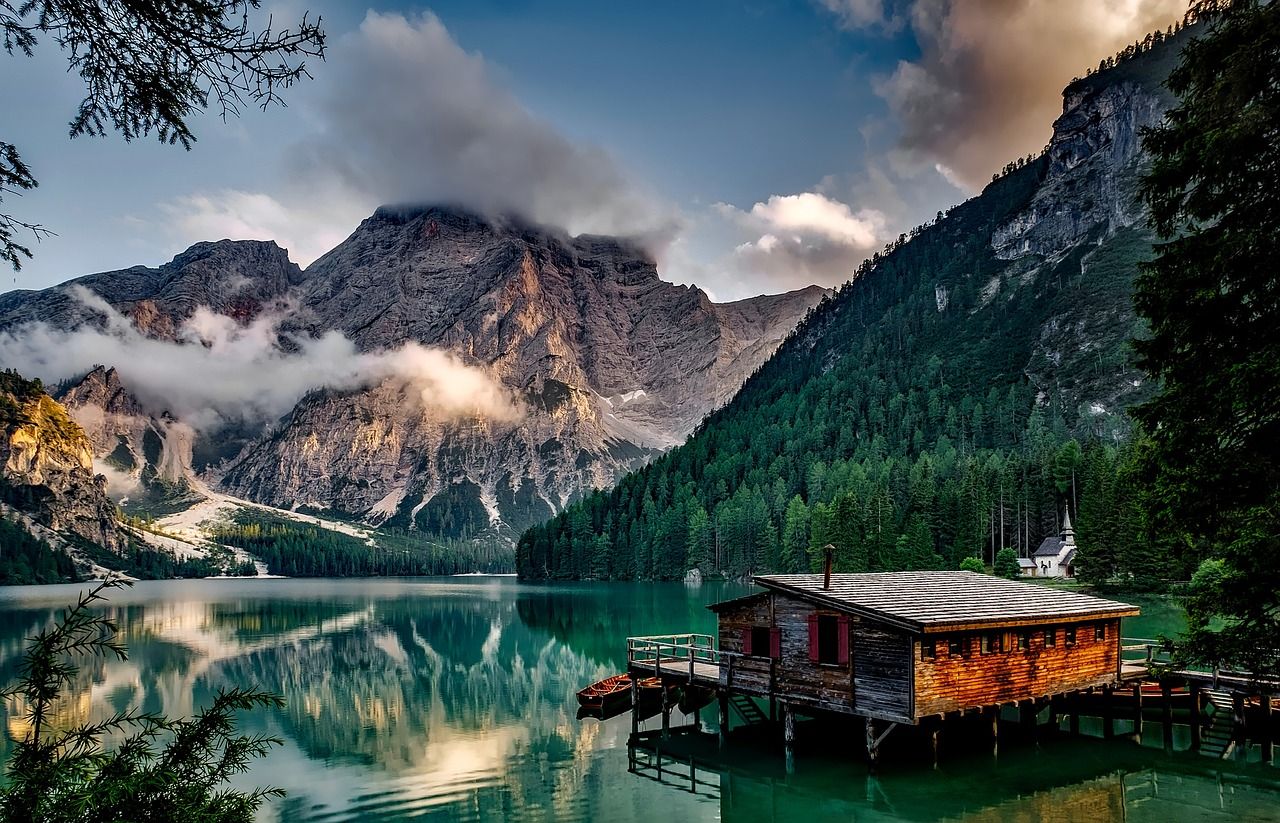 1
South Tyrol, Trentino, Veneto Foto: 12019 / PixabayThe Dolomites
Pale limestone towers that glow pink at sunset, above meadows and mountain lakes. The Tre Cime di Lavaredo are their landmark; the Dolomites have been a UNESCO World Heritage Site since 2009.
Good to know: The toll road to Rifugio Auronzo fills early in summer; arrive before 8 am or take the bus.
Eat & drink- Knödel (canederli) and South Tyrolean speck
- Kaiserschmarrn in a mountain hut
Our tip The Dreizinnenhütte (Rifugio Locatelli) sits right below the Tre Cime.
What kind of traveler are you?
Three quick questions, then you get your personal Italy route, ready for the planner.
Your Italy trip planner
Pick places, set your days: we sort the route, split the nights and show hotels and tours for every stop.
My Italy trip · worldasneverseen.com
Tap “Add to my trip” on any place or pick a ready-made route.
When is the best time to visit Italy?
Late April to June and September to mid-October. The weather is warm, the sea is swimmable from June, and the big sights are far less crowded than in July and August. The Dolomites are the exception: hiking season runs from late June to September, ski season from December to April.
How do you see these places in one trip?
Two weeks are enough for a north-to-south route: Lake Garda, Lake Como and the Dolomites in the north, Venice, Florence and Tuscany, Rome, then Naples as a base for Pompeii, Capri and the Amalfi Coast. Fast trains connect the cities; for the Dolomites, Val d'Orcia, Puglia and Sicily a rental car is far easier. Sardinia needs its own week.
Frequently asked questions
What is the most beautiful place in Italy?
In our countdown it is the Dolomites: jagged limestone towers above green alpine meadows, a UNESCO World Heritage Site since 2009. Close behind are the Amalfi Coast and Venice.
How many days do you need to see Italy?
For the highlights of one region, 5 to 7 days. For a north-to-south trip covering most places on this list, plan about two weeks.
Do you need a car in Italy?
Not for the cities: trains between Venice, Florence, Rome and Naples are fast and frequent. For the Dolomites, Tuscany's countryside, Puglia and Sicily a car gives you much more freedom.
Do you have to pay to enter Venice?
On selected peak days, day visitors pay an access fee and must register in advance. Overnight guests are exempt. Check the dates on the City of Venice's official website before you go.
Which Italian places are UNESCO World Heritage Sites?
Many on this list: the Dolomites, Venice, Florence's historic center, Rome, Val d'Orcia, Matera, Alberobello, Pompeii, the Amalfi Coast, Cinque Terre and Mount Etna.
You might also like
* Affiliate links: if you book through them, we earn a small commission. The price stays the same for you.